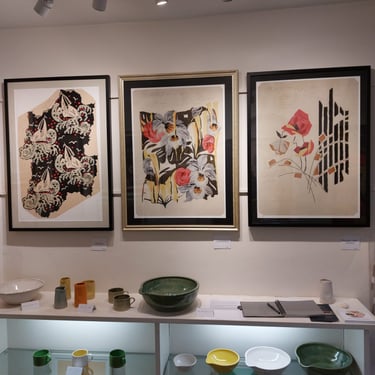
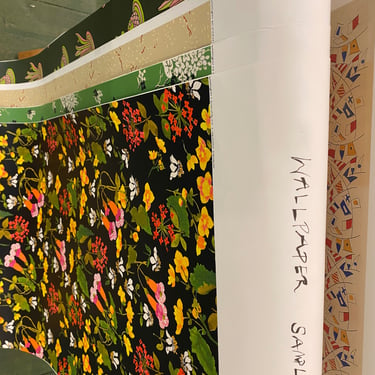
Most of them seem to have botanical inspirations. Tell us about the flowers and plants represented here.
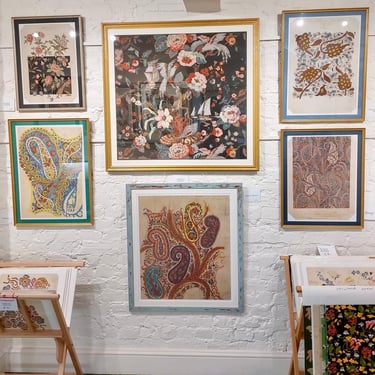
I love flowers on walls, tables, outside or wherever possible. You will also see that the plants presented are a reflection of the style of the day. Realism comes into play: a large portion of the prints in my collection are from the mid-1800s, when the link between art and fashion was being cemented.
The designs embody early 20th-century decorative trends. How do they reflect the era?
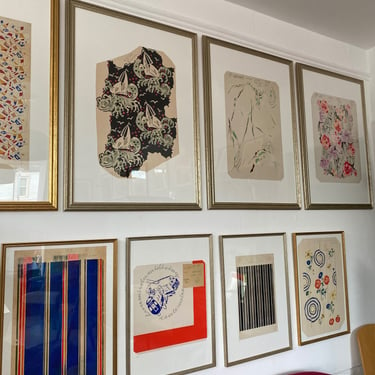
The hand-drawn aesthetic captures the elegance and geometric harmony of early 20th-century Art Deco, reflecting the era’s fascination with modernity, luxury and craftsmanship. Its bold lines and stylised forms embody the spirit of progress and sophistication that defined the period. These qualities make the prints timeless pieces of design heritage, ideal for collectors and enthusiasts alike.
These designs are a snapshot of sartorial history and the heyday of the Lyonnaise silk industry. How would silk houses have used these prints?
In the 1800s the Lyonnaise silk industry employed in-house print designers to create intricate patterns that reflected the latest artistic and fashion trends. These designs were transferred onto silk fabrics using techniques such as block printing or, later, roller printing to produce luxurious and distinctive textiles. The prints served both aesthetic and commercial purposes, helping Lyon to maintain its reputation as a centre of innovation and elegance in the European silk trade.
Do we know much about the authors?
When or where they were painted and how they were used? For the most part, little is known about the authors of textile designs from 1800 to the 1950s, as most remain anonymous. These creators are often referred to as ‘ghost artists’ because their names were rarely recorded, despite their vital role in shaping textile trends. Their hand-painted designs were produced in studios for use in fashion and interior fabrics worldwide. However, you can normally work out when and where these were made.
What’s the value of preserving these prints?
Preserving textile design prints from 1800 to 1950 is vital for understanding the evolution of art, fashion and industry. They offer insight into craftsmanship, cultural trends and technological progress of their time. These designs also inspire contemporary creators, bridging past artistry with modern design practice.
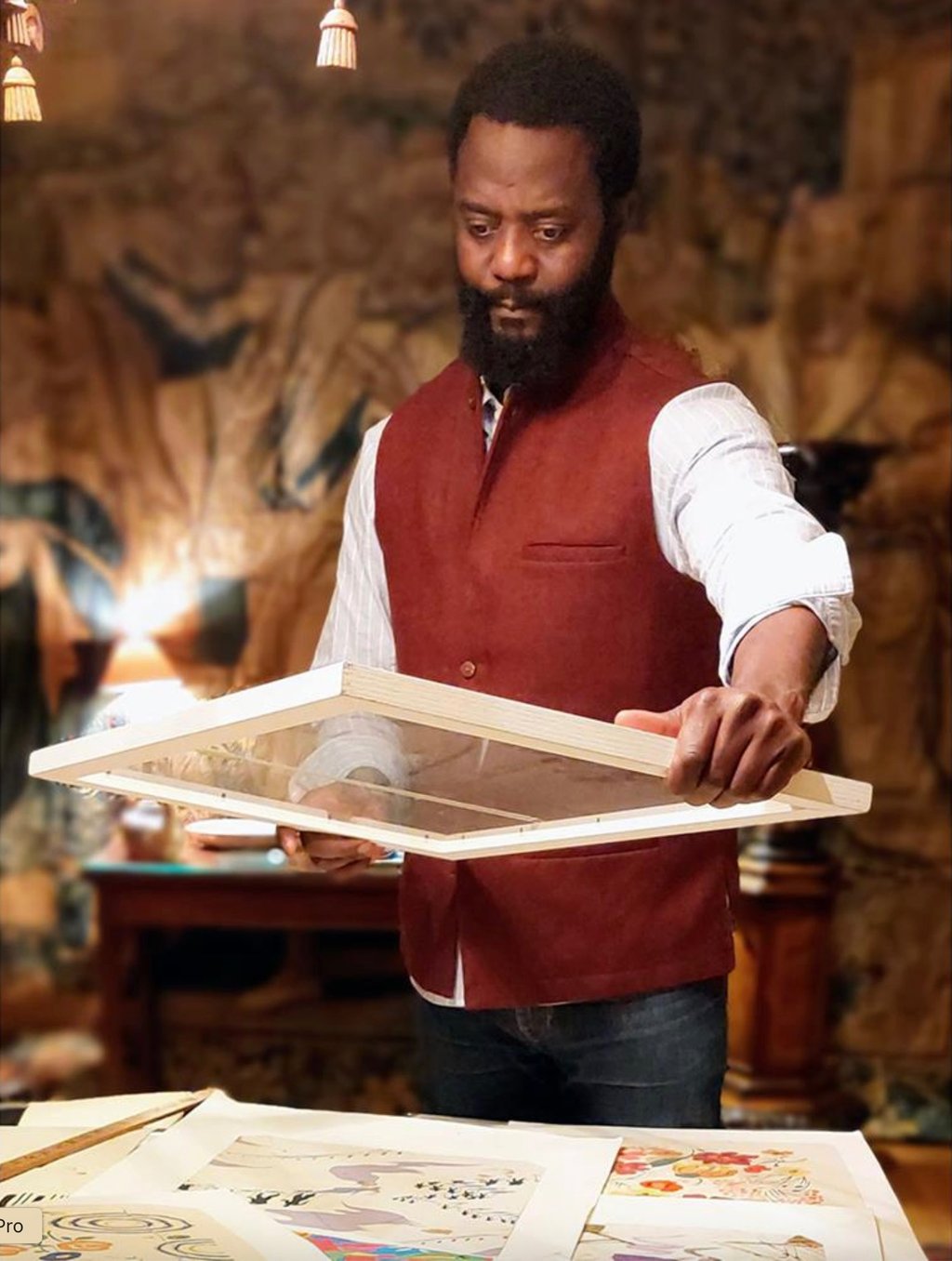
Nice to meet you
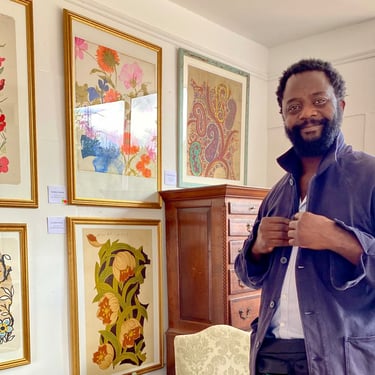
Harare-born, London-based Regg Shumba is a lover of vintage textiles. At Patterngarden, he curates a delicate collection of distinctive antique textile designs, restoring them to their former glory by turning them into beautiful fine-art prints (writes Sophie Grove). Here, he tells Konfekt Kompakt about his first steps in the world of vintage textile design and his love of botanical-inspired patterns.
What’s the story behind Patterngarden? How did you discover these prints?
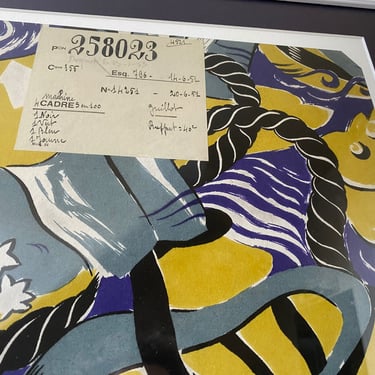
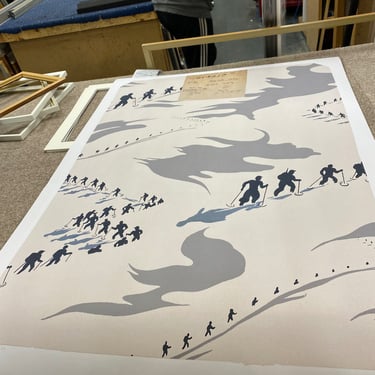
Patterngarden is a collection of unique textile print designs predominantly from Lyon, spanning from the 1800s to mid-20th century. Each design has been restored to preserve the patina and markings of the originals. Revived as giclée limited-edition fine-art prints, they celebrate the city’s rich heritage of textile artistry and timeless French design.
My arrival into this space was a moment of great fortune. After 10 years in the UK, working 90-hour weeks in top-end hospitality, I realised that life was clearly more than that. I accepted a role working for a London print house that sourced its vintage materials from a combination of dealers and defunct textile mills in and around Lyon. On my travels, I amassed my own collection and felt that they ought to see the light of day. I chanced upon the perfect location for my first exhibition when I wasn’t looking for it: the curling-stone hut and members’ meeting room above Edinburgh’s Thomson’s Tower.
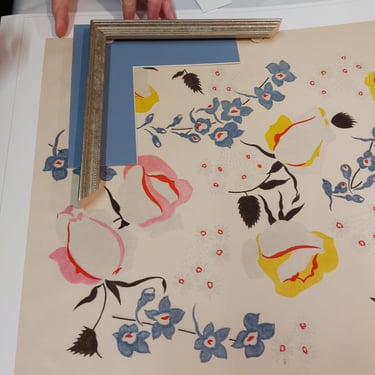
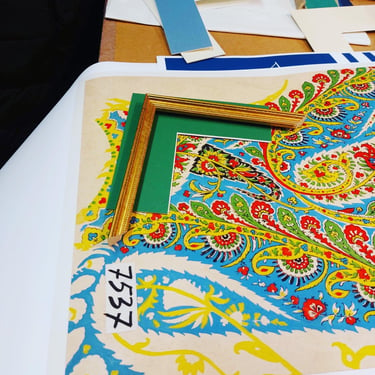
The restoration process
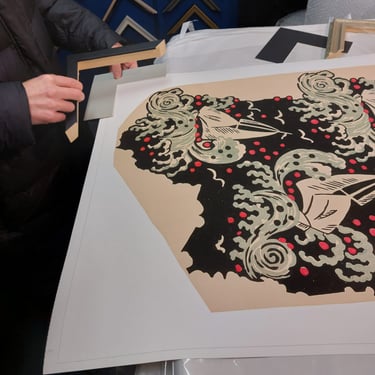
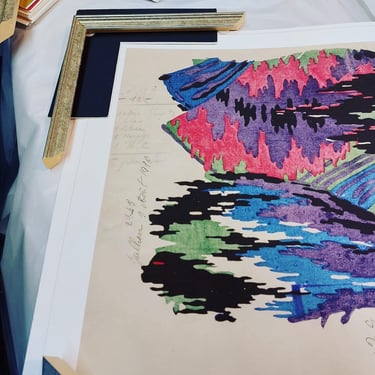
Patterngarden's exclusive prints are carefully digitally restored and giclée printed on archival paper to keep the vivid colour, paint bleed and brushstrokes faithful to the original. Patterngarden prints can be mounted and framed to your unique taste.
Exhibitions
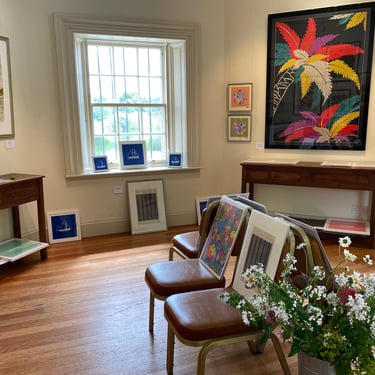
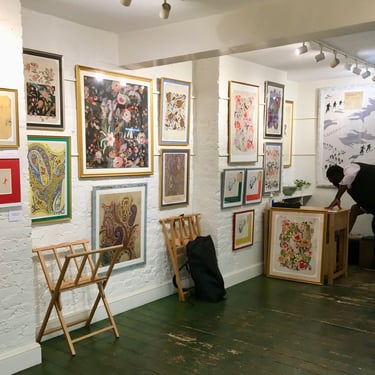
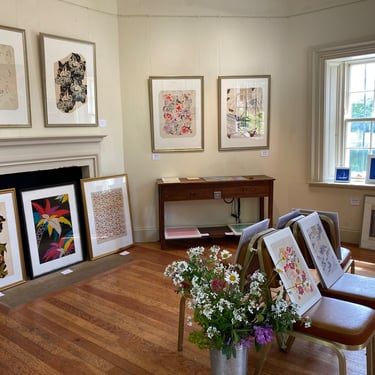
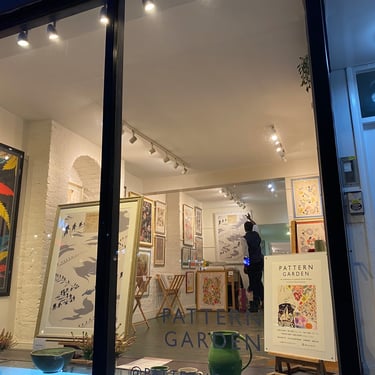
I have exhibited my prints in London at Gallery 71, Fulham, Hackney Art Week / Shine On The Green and in Edinburgh at Dr Neil's Garden, Duddingston. My local antique shop, Friday Street, in Portobello has also hosted a sale of my prints.